


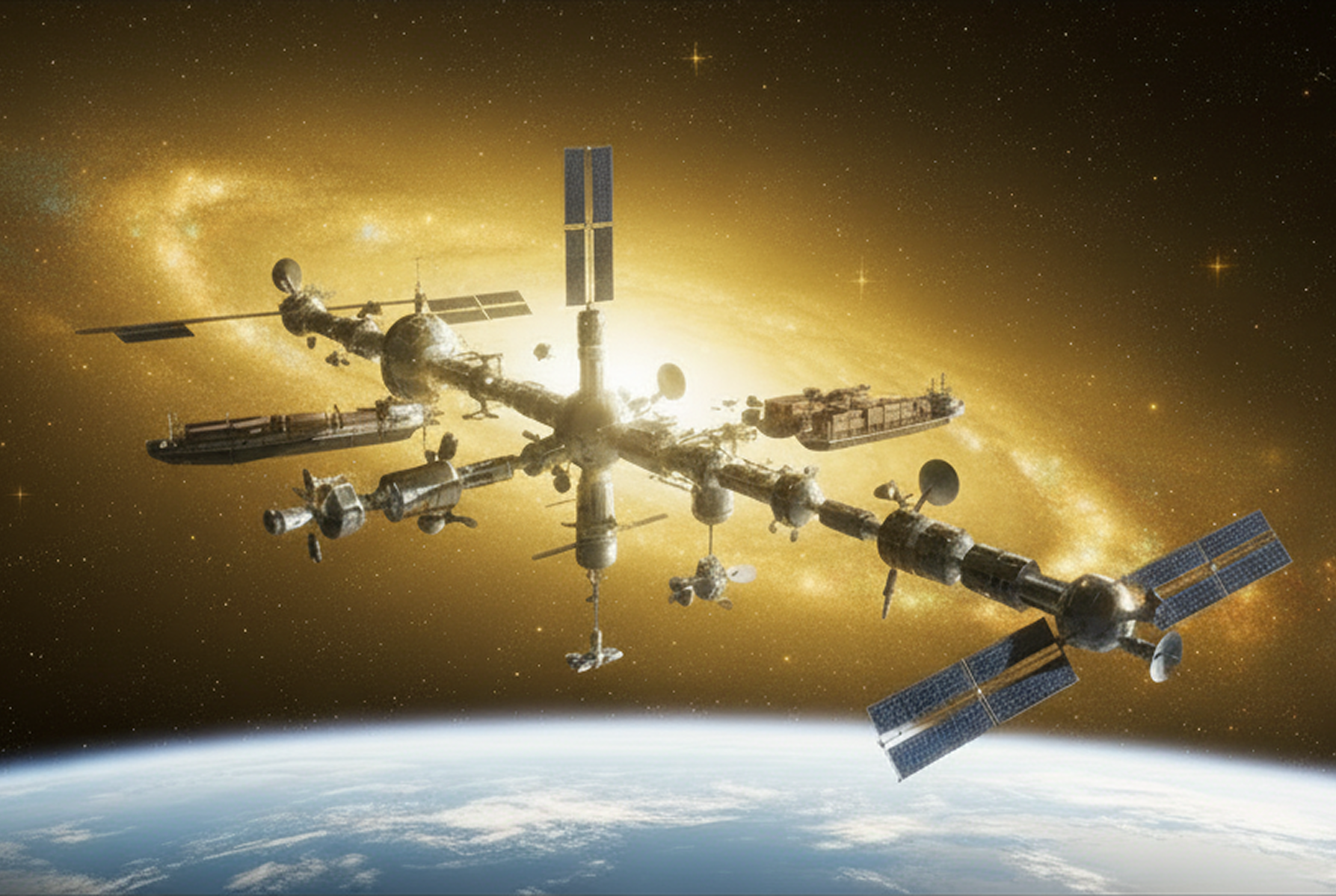
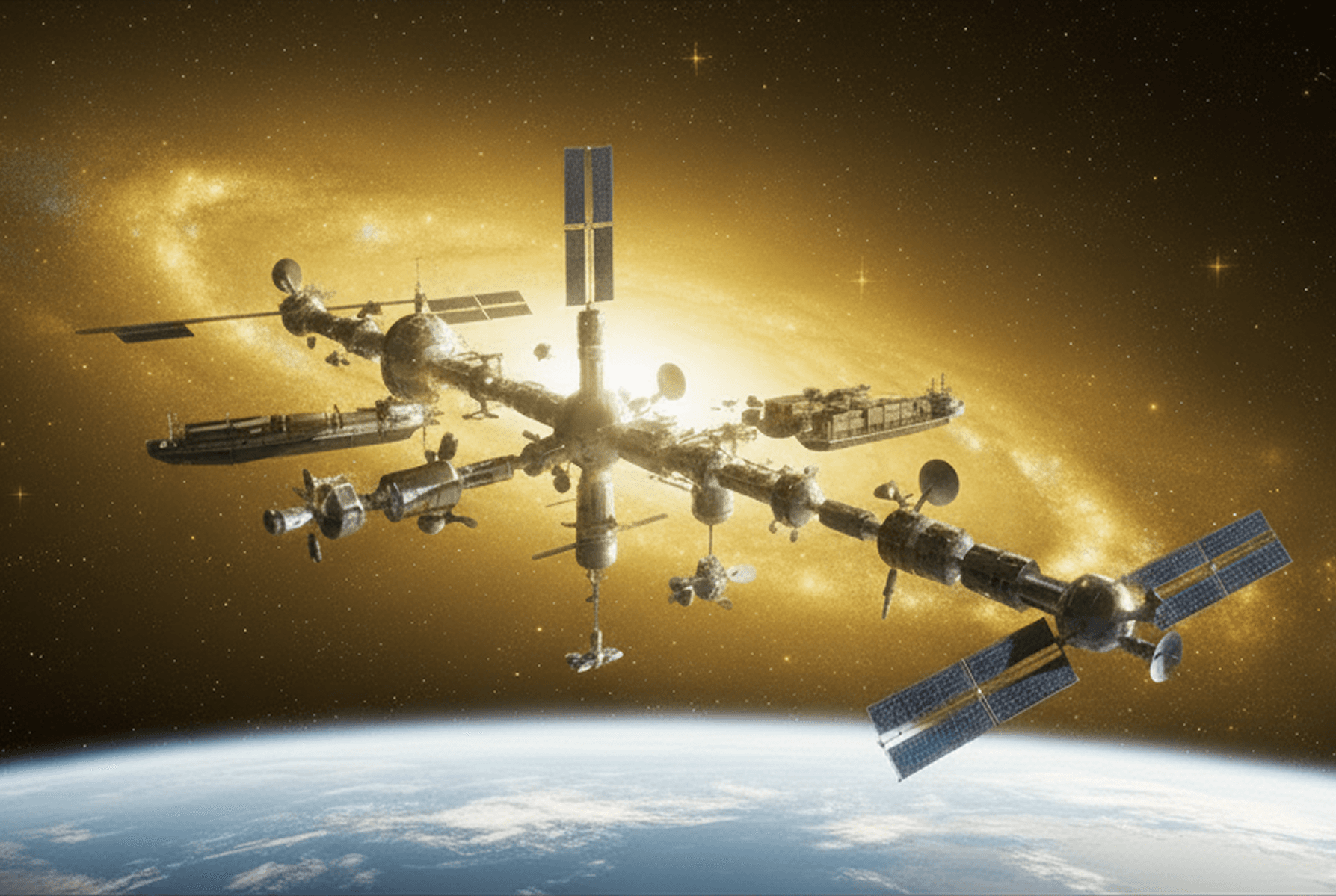
Welcome to the International Space Station (ISS), your home-away-from-Earth for this exciting mission! Get ready to explore fun facts, challenges and real-life space adventures.
What is the International Space Station
The International Space Station (ISS)
Photo credit: NASA
Orbit Builders! Build your own space station
The ISS is a giant space laboratory and home to a rotating crew of astronauts from 23 countries, and counting.
It orbits 400 km above the Earth at a speed of 28,000 km per hour, making a full trip around the planet every 90 minutes.
How big is the ISS? It’s the largest structure humans have ever built. It’s 109 m wide, 73 m long, and weighs 420,000 kg. That means the ISS weighs as much as 77 African elephants!
<INTERACTIVE> Embed 3D rendering of ISS ISS Virtual Tour - NASA
Canadians in Space: Building the ISS
Did you know Canada is a big part of the International Space Station? The Canadian Space Agency and partners from 4 international space agencies built and now operate the ISS. The partnership includes:
- Canadian Space Agency (CSA) – Canada
- National Aeronautics and Space Administration (NASA) – United States
- European Space Agency (ESA) – Europe
- Japan Aerospace Exploration Agency (JAXA) – Japan
- Roscosmos – Russia
Together, these agencies help astronauts explore space and keep the station running. Over 280 astronauts have visited the ISS including 7 from the Canadian Space Agency.
How and When Was the ISS Built?
For about 13 years, humans were building the ISS. They started in 1998 and finished around 2011, but they replace and change parts all the time.
Think of the International Space Station like the biggest LEGO® set ever made. Just like you might snap bricks together on your living room floor, astronauts assembled the ISS while in orbit at 28,000 km an hour.
Engineers and manufacturers constructed the modules on Earth then launched them into space. Once in orbit, astronauts and robots clicked everything into place.
Meet Canadarm2: Canada’s Helping Hand
Canadians built robotic arms, called the Canadarm and Canadarm2, to help with space missions, from the Space Shuttle to the International Space Station and beyond.
Imagine a giant robotic arm helping astronauts like a high-tech superhero. That’s Canadarm2. Canadians built this 17-metre-long robotic arm. It weighs 410 kg, as much as a small car. Despite its large size, Canadarm2 performs delicate tasks with incredible accuracy.
While its technical name is the Space Station Remote Manipulator System (SSRMS), most people just call it Canadarm2. It helped build the ISS and is still hard at work today. It grabs visiting spacecraft, assists astronauts on spacewalks, examines the station to look for damage and moves heavy modules around with ease.
What’s a Cosmic Catch
Picture this: an unpiloted supply ship arrives at the space station from Earth, but it needs help parking. An ISS astronaut guides the Canadarm2 to reach out and grab it. It’s a bit like an arcade “claw” game where you try to pick up a stuffed animal.
Once safely docked to the ISS, astronauts open and unload their cosmic care package. They receive everything from food and clothes to science experiments.
Why Astronauts Float in Space
Let’s talk about gravity, the invisible force that pulls objects towards each other. Gravity on Earth keeps your feet on the ground and pulls a dropped ball toward the ground.
There’s gravity in space too! It keeps the Earth spinning around the Sun and the Moon circling Earth.
Gravity on the ISS is about 90% of Earth’s gravity. But here’s the twist: the station is falling toward Earth ... and missing! It’s moving so fast that it keeps falling in a circle around the planet. That’s called free fall.
Have you ever been lifted out of your seat on a roller coaster or drop tower ride? If yes, you’ve experienced the sensation of a brief free fall. A similar principle explains why astronauts aboard the International Space Station appear to float. Because the spacecraft and everything inside it are falling toward Earth at the same rate, they create the illusion of weightlessness. This condition is known as a microgravity environment.
Now that we know where the astronauts live in space, let’s find out what it’s like to work there.
Working on the International Space Station
The views of Earth from the ISS are beautiful, but astronauts also have work to do. Here’s what they do on the ISS.
Scientific Research
So what kind of work do astronauts do while they’re in space? You probably guessed that science is a big part of the job! The ISS is like a floating science lab, where astronauts carry out all kinds of experiments.
One important area of research is microgravity. Microgravity feels like almost-weightlessness, or a floating sensation. Astronauts study how microgravity affects the human body, including bones, eyes, muscles, the brain and more. This helps scientists figure out how to keep astronauts healthy during long trips in space, like future missions to the Moon or Mars.
Canada is playing an important part in this research. To date, Canadian researchers have conducted more than 24 science experiments on the ISS, with more to come. These studies help astronauts, of course. But they also help people on Earth, too. For example, research about how bones weaken in space can help doctors better understand what happens to our bones when we get older.
Spacewalks and Earth Observations
Astronauts don’t just stay inside the International Space Station. Sometimes they need to step outside for a spacewalk. It might sound like an easy stroll, but spacewalks are complex, carefully planned missions that play an important role in keeping the ISS running smoothly.
Why Astronauts Go on Spacewalks
Astronauts take spacewalks to complete important tasks like:
- Fixing or upgrading equipment on the outside of the ISS
- Installing new technology like solar panels or scientific instruments
- Testing how space affects tools, materials and even the astronauts’ suits
Spacewalks can last up to 7 hours, as long as a school day or work day! Astronauts train for months on Earth, often underwater, to prepare for the near-weightless feeling they’ll experience in orbit.
How Astronauts Take Spacewalks
Before heading out, astronauts put on a spacesuit, which acts like a personal spaceship. Spacesuits provide:
- Oxygen to breathe
- Temperature control to handle the extreme heat and cold of space
- Protection from radiation and tiny space debris
Once suited up, they exit the ISS through an airlock, moving slowly toward their destination. They use handrails and may hitch a ride on the Canadarm2. It helps astronauts like Chris Hadfield and David Saint-Jacques get where they need to go.
Observing Earth from Space
When astronauts aren’t busy working, they can enjoy the spectacular views of Earth from the International Space Station’s Cupola module. This small room with wide windows allows astronauts to take breathtaking photos of Earth’s landscapes, storms, oceans, aurora and city lights.
View from cupola with Canadian astronaut David Saint-Jacques
Photo credit: Canadian Space Agency/NASA
How Astronauts Stay Safe in Space
Living on the International Space Station means astronauts are far from Earth. There are no repair shops or hospitals nearby, so staying safe takes planning, teamwork and daily checks.
Daily Safety Checks
Astronauts do safety checks daily to make sure everything is working properly. Some of the most important things they check are:
- Life support systems to control air, temperature and carbon dioxide
- Cabin pressure to keep the station safe and comfortable
- Oxygen levels to make sure there’s enough for everyone
- Communications to stay in touch with Mission Control back on Earth
These checks help astronauts catch small problems before they become big ones.
Repairs and Maintenance
Just like a house or a car, a space station needs regular maintenance. Astronauts often fix or replace:
- Air filters that clean the air
- Batteries or wires that power equipment
- Parts of the water or toilet systems
- Computer programs that help run the space station
Some repairs are done inside the ISS, but others happen outside during their spacewalks.
When Things Go Wrong on the International Space Station
If something breaks, astronauts work with experts on Earth to fix it. They have tools and emergency supplies on board to help them stay safe until repairs are finished.
What Can Go Wrong
Even though the ISS is very carefully built and tested, things can still go wrong in space. That’s why astronauts train for many months or years before their mission and practice safety drills once onboard.
Some examples of problems that could happen include:
- An air leak if a small hole forms and air starts to escape.
- A fire, which is rare but possible. The ISS has smoke detectors, fire extinguishers and emergency masks just in case.
- A problem with oxygen or cabin pressure
- A broken piece of equipment, like a battery, pump, or computer that needs fixing or replacing
When something goes wrong, astronauts follow safety steps and work closely with Mission Control on Earth to solve the problem. There are emergency plans for everything: from small repairs to returning home early if needed.
Suggested Reading
- The Sun What’s a solar flare?
- Canadian Astronauts Meet the Canadian astronauts who’ve lived on the International Space Station
- Living in Space Learn What It’s Like to Live in Space
- Take me to the Moon
- Take me to Mars
Reports from the ISS
Interactive Activity
Orbit Builders: ISS Challenge! Design and build your own space station!
- Activity Idea: Become an engineer-in-training as you drop and drag living quarters, laboratories, airlocks, solar panels, docking ports, robotic arms, etc. to build your own ship.
Learn More
See photos and videos:
- International Space Station, the Canadarm2 and spacewalks.
- Watch the Canadarm move a module on the ISS
- Watch a “Cosmic Catch!”
Words/Terms to Know: gravity, microgravity, ISS, laboratory, Canadarm2, cosmic catch, spacewalk
My Reading List
Want to learn even more about space? Check out these books:
- The Amazing International Space Station
By the editors of YES Mag
Blast off into life aboard the ISS, with cool facts, wild space routines, and Canada’s own robot hero, the Canadarm!
- 50 Things to Know About the International Space Station
By John A. Read
Quick, fun space facts (like how astronauts sleep or eat) with highlights of Canadian space heroes like Chris Hadfield.
- Explorers Club
This digital picture book features a group of kids builds a rocket to the space station—read aloud from space by astronaut David Saint-Jacques.
- The Space Adventurer’s Guide
by Peter McMahon, illustrated by John Holinaty
Your passport to the coolest thing to see and do in the universe!
- The Darkest Dark
by Chris Hadfield, illustrated by The Fan Brothers
This story follows young Chris, who loves space but is afraid of the dark. Can he face his fears to follow his dream?
- A Planet is a Poem
by Amanda Lewis West, illustrated by Oliver Averill
14 poems about planets and other bodies in the solar system.
- To Burp or Not to Burp: A Guide to Your Body in Space
by Dr. Dave Williams & Loredana Cunti
Astronaut Dr. Dave Williams shares fun, real-life answers about how space affects the human body, with cool facts, photos, and playful illustrations for curious kids.
- Why Does my Shadow Follow Me?
by Kira Vermond, illustrated by Suharu Ogawa
With the help of Ontario Science Centre experts, this book answers everything from why we have butts to how movies play in space—perfect for curious minds.
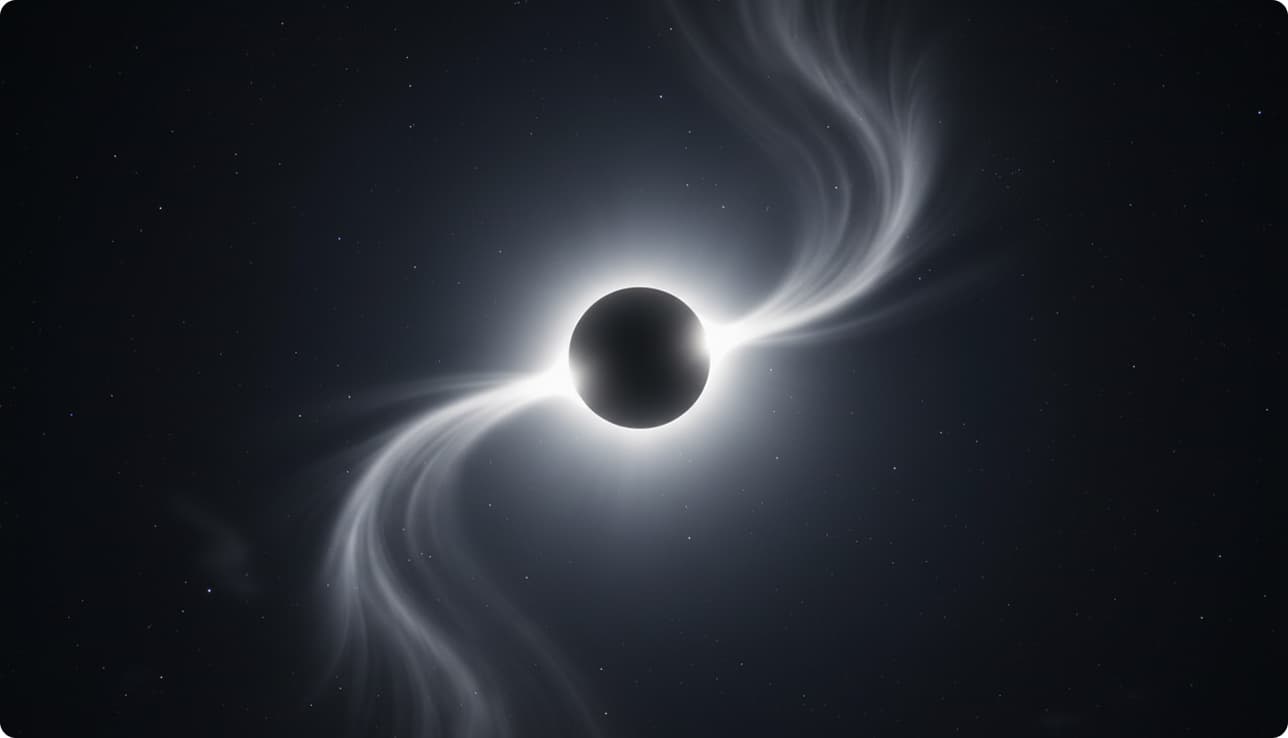
A black hole in the center of our universe
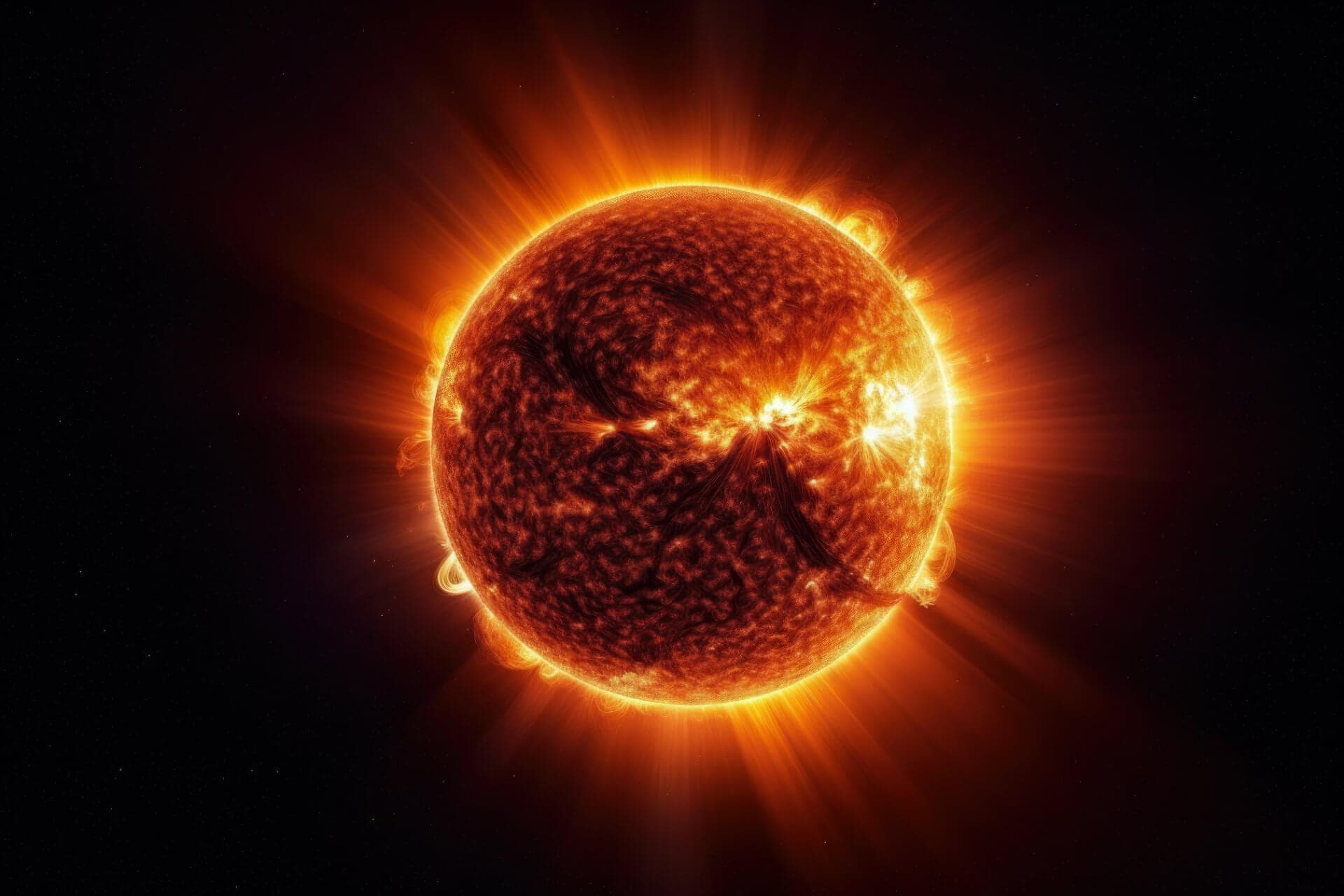
Photo credits (top to bottom): 1) NASA; 2) NASA; NASA astronaut Stephen Robinson on Canadarm2 during spacewalk