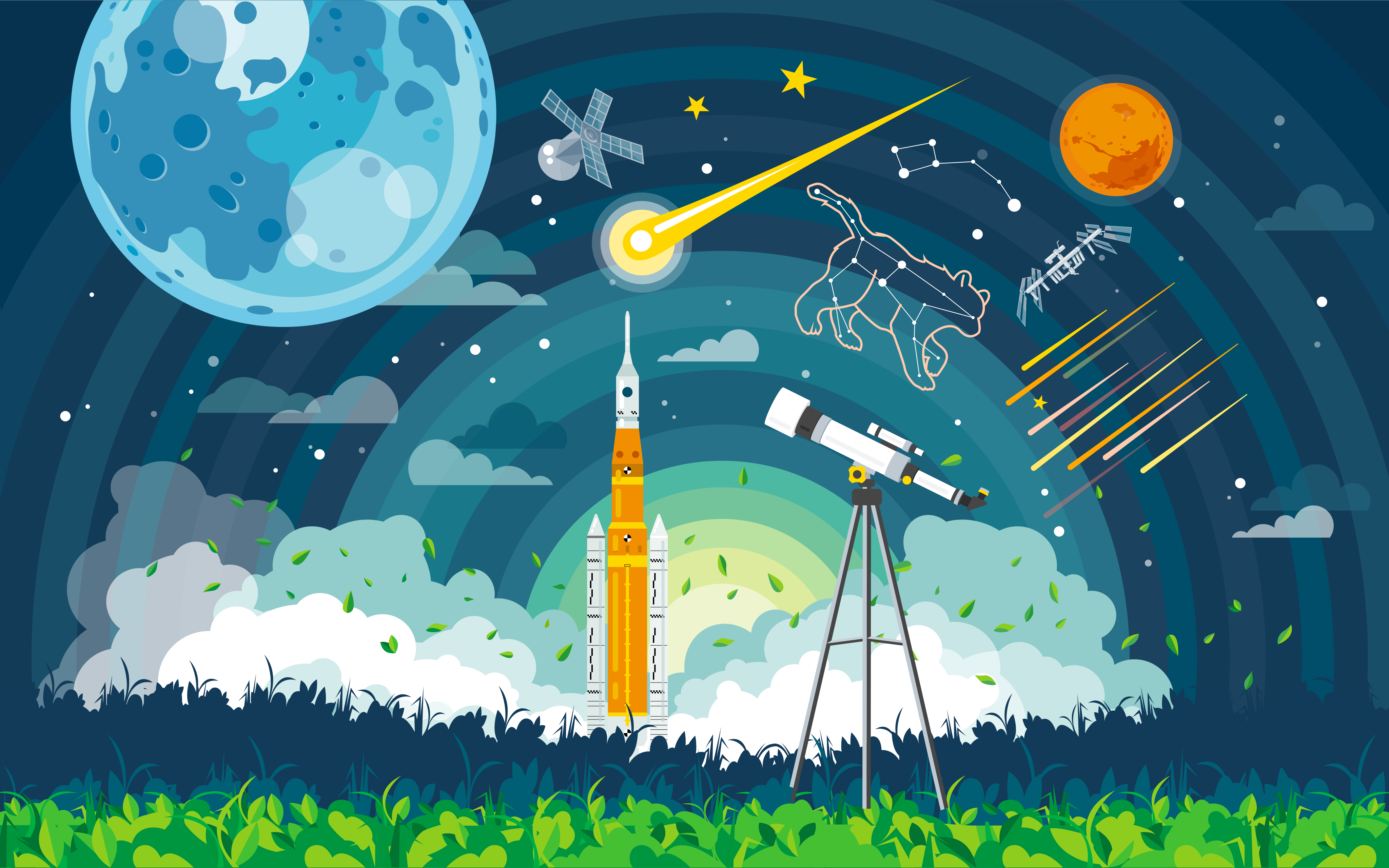
Space is a vacuum, so there’s no air and no sound Gravity bends space and time, which is why planets orbit stars Even the emptiest parts of space have a few atoms per cubic meter Rockets are powerful machines that escape Earth’s gravity to explore space
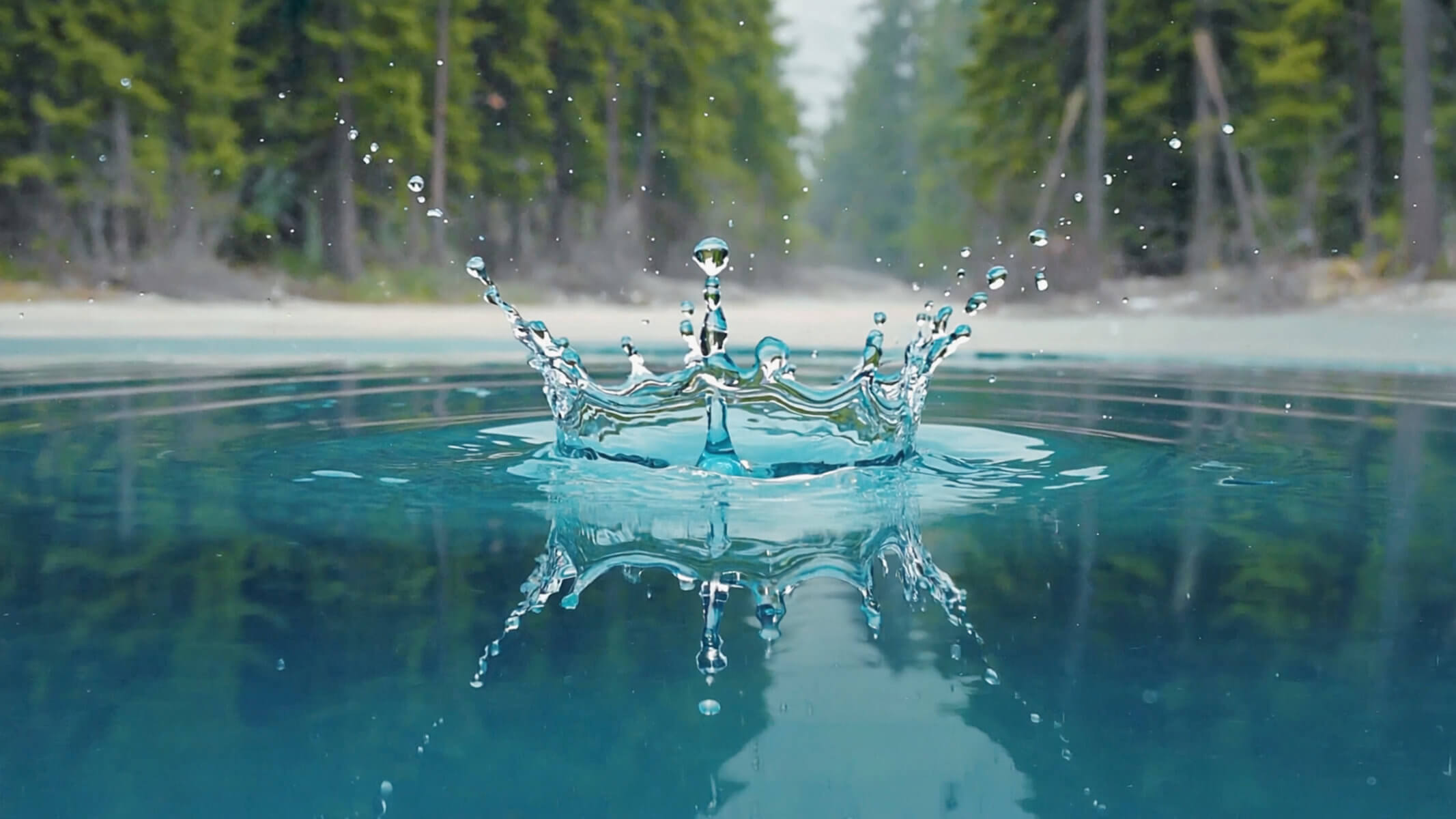
The Biomass satellite will orbit 666 kilometres above Earth’s surface, using its 12-metre diameter antenna to collect data to help create detailed maps of the forest structure, like how tall the trees are and how dense the forest is. From this, scientists can estimate the forest biomass and how much carbon it is storing.Biomass is equipped with a special type of radar that gives it a superpower: the ability to see through the leafy top layer of the forest! It can use this radar to look at the parts below, like woody trunks, branches, and stems.This information is valuable because trees absorb carbon dioxide, a gas that contributes to climate change, and they store most of it within their woody biomass. However, destruction of the forests can release this stored carbon back into the atmosphere, contributing to global warming. By knowing how much carbon is stored in forests, scientists can monitor changes and we can better protect our precious environment.
Piece together cosmic mysteries as you solve space-themed puzzles inspired by astronomy and physics. Explore planets, stars, and galaxies while building critical thinking and problem-solving skills along the way.
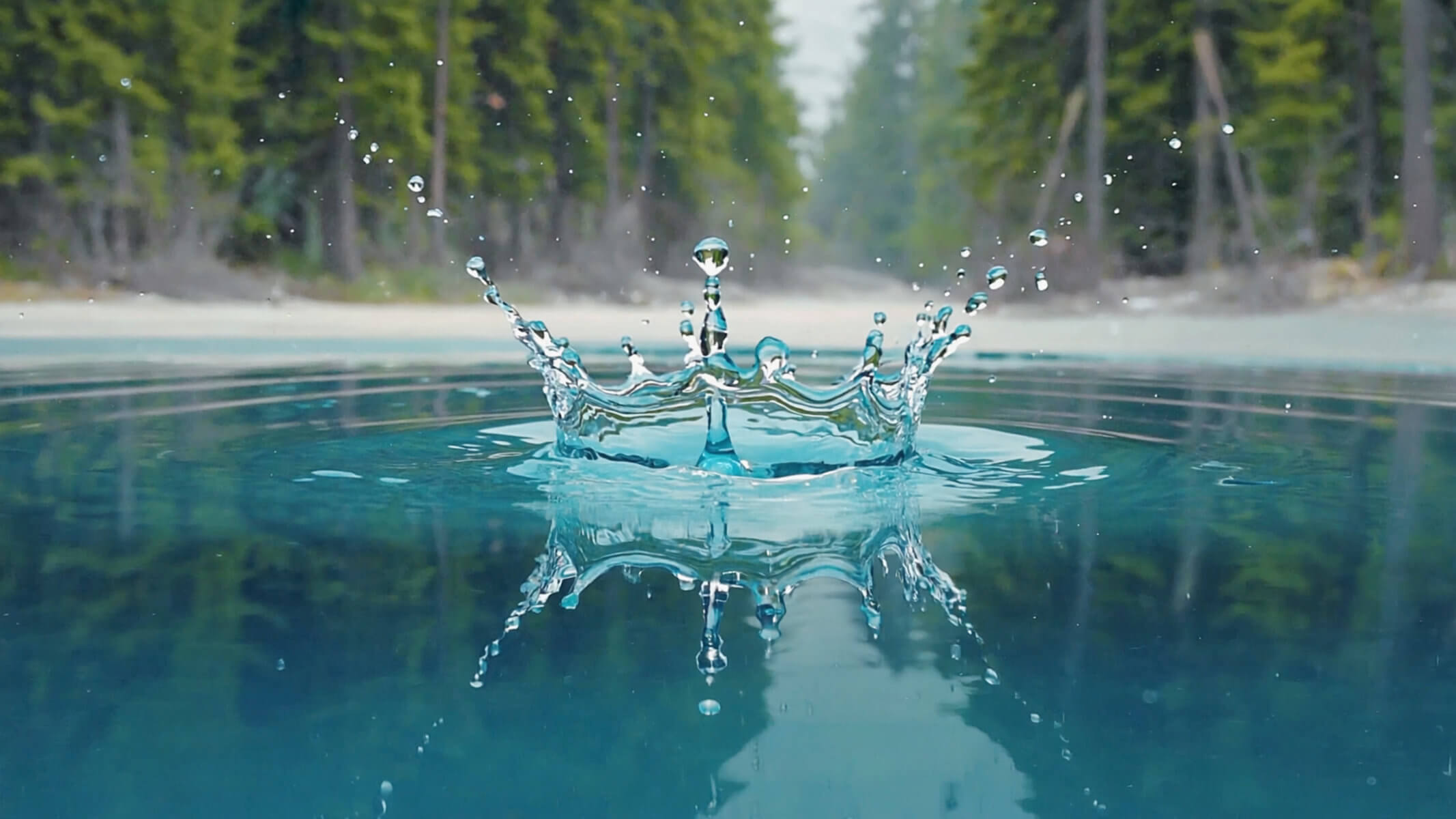
You won’t need sunglasses for this voyage. High noon on Neptune is no brighter than the last few moments of sunset on Earth. Not that you could stand on Neptune at noon. Like Jupiter and Saturn, Neptune is a gas giant—a big ball of gas surrounding an Earth-size core of hot liquids rather than rocks or other solid matter. And like fellow “ice giant” Uranus, Neptune’s atmosphere is composed mostly of water, ammonia, and methane. It’s the methane that gives Neptune its striking blue hue. You’ll want to keep your ship soaring high in the planet’s atmosphere, which extends down to crushing depths and is home to the windiest weather in the solar system. Clouds of frozen methane whoosh as fast as a fighter jet through storms the size of Earth. Please wear your seatbelt for the duration of your flight above Neptune.
Put your STEM vocabulary to the test with engaging crossword puzzles covering science, technology, engineering, and math. Learn new concepts, reinforce classroom knowledge, and challenge yourself with every clue.
A beginner-friendly STEM adventure designed for young learners. Explore simple challenges, discover how games work, and build confidence with fun activities that introduce science, math, and problem-solving concepts.
Step into a virtual laboratory and investigate the building blocks of life. Conduct experiments, explore ecosystems, and uncover fascinating biological discoveries while developing scientific inquiry skills.