Track carbon through forests, oceans, cities, and the atmosphere in this interactive STEM challenge. Explore climate science, make strategic decisions, and discover how everyday actions can influence Earth's carbon cycle.
A volcano is an opening in the Earth’s surface where hot magma, gases, and ash escape, sometimes erupting explosively to form new land.What is a Volcano?A volcano is like a natural vent in the Earth’s crust. Deep inside the Earth, heat melts rock into a thick liquid called magma. When magma rises and reaches the surface, it is called lava. Volcanoes often form on mountains or at the edges of tectonic plates, which are huge pieces of the Earth’s crust that move and sometimes collide, creating cracks for magma to escape natgeokids.com+2.Why Do Volcanoes Erupt?Volcanoes erupt because gas pressure builds up inside magma. As magma rises, trapped gases expand. When the pressure becomes too strong, the magma bursts out, sometimes slowly as lava flows, or explosively, sending ash, rocks, and gases into the air Encyclopedia Britannica+1. This is similar to opening a shaken soda bottle — the gas pushes the liquid out!
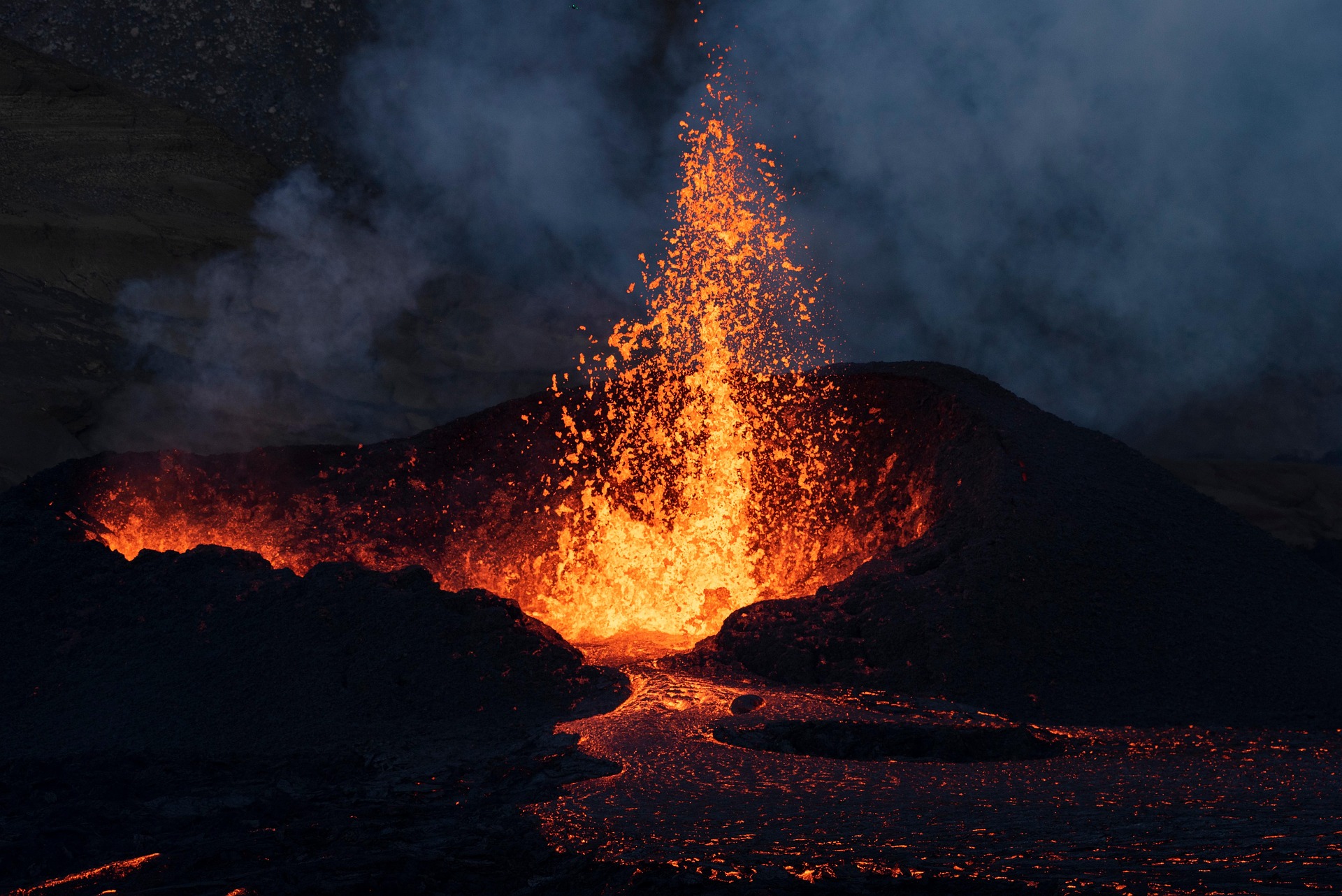
Encircling the vast Pacific Ocean is one of the most dynamic and geologically active regions on Earth: the Ring of Fire. This horseshoe‑shaped belt stretches for more than 40,000 kilometers and is home to the majority of the planet’s volcanoes and earthquakes. Defined not by flames but by immense tectonic forces, the Ring of Fire reveals how restless and powerful our planet truly is.What Is the Ring of Fire?The Ring of Fire is not a single structure, but a network of tectonic plate boundaries surrounding the Pacific Plate. Along these boundaries, massive slabs of Earth’s crust collide, separate, or slide past one another. The result is frequent seismic activity and intense volcanism.