


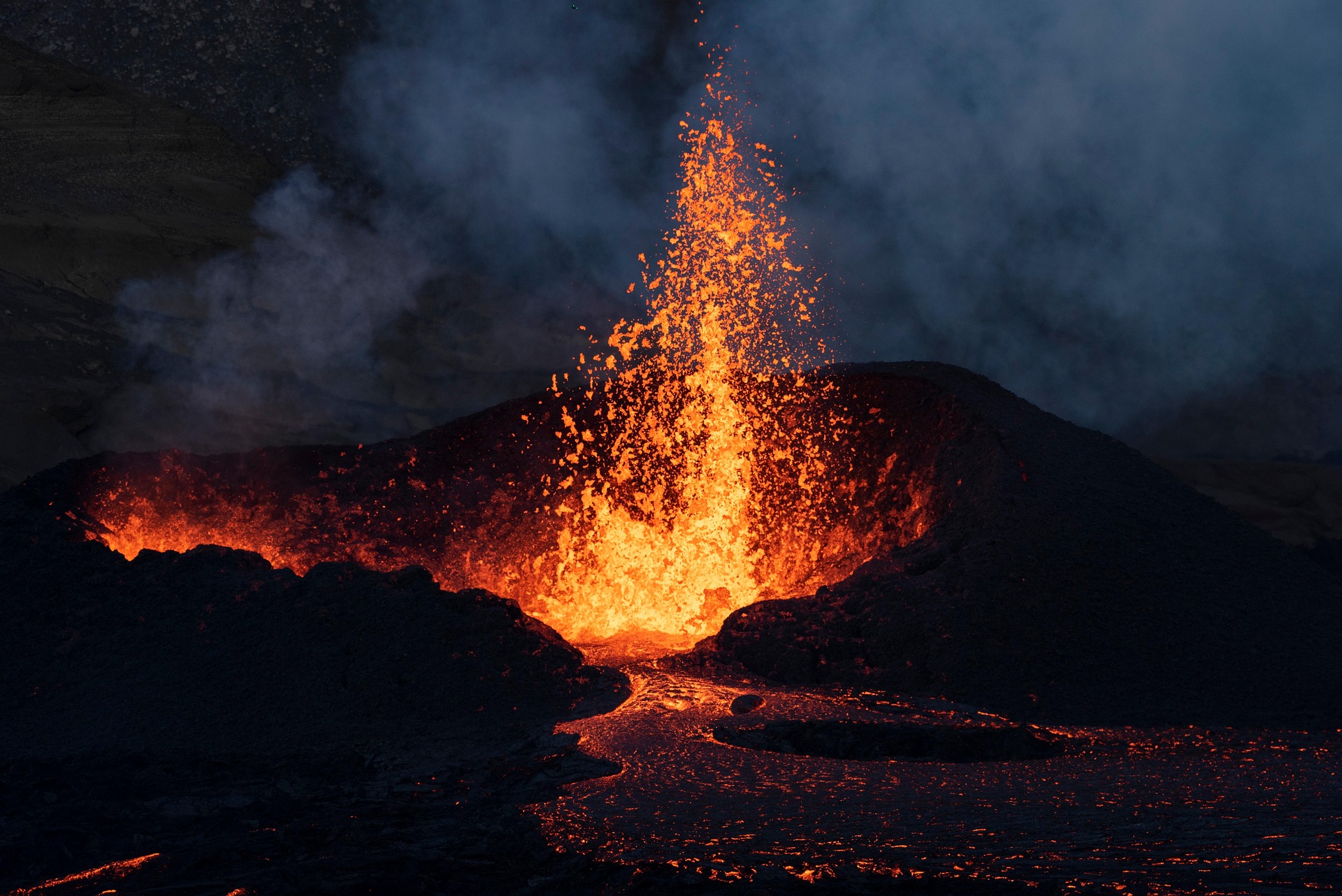
Encircling the vast Pacific Ocean is one of the most dynamic and geologically active regions on Earth: the Ring of Fire. This horseshoe‑shaped belt stretches for more than 40,000 kilometers and is home to the majority of the planet’s volcanoes and earthquakes. Defined not by flames but by immense tectonic forces, the Ring of Fire reveals how restless and powerful our planet truly is.
What Is the Ring of Fire?
The Ring of Fire is not a single structure, but a network of tectonic plate boundaries surrounding the Pacific Plate. Along these boundaries, massive slabs of Earth’s crust collide, separate, or slide past one another. The result is frequent seismic activity and intense volcanism.
The Poas Crater
Photo credit: Adrian Wapcaplet
Roughly 75 percent of the world’s active volcanoes and about 90 percent of global earthquakes occur within this zone. Countries along the Ring of Fire include Chile, Peru, Mexico, the United States (west coast and Alaska), Japan, Indonesia, the Philippines, and New Zealand, among others.
Plate Tectonics at Work
The driving force behind the Ring of Fire is plate tectonics. Most volcanoes in the region form at subduction zones, where one tectonic plate is forced beneath another. As the descending plate sinks into the mantle, it melts and generates magma, which rises toward the surface and erupts as volcanoes.
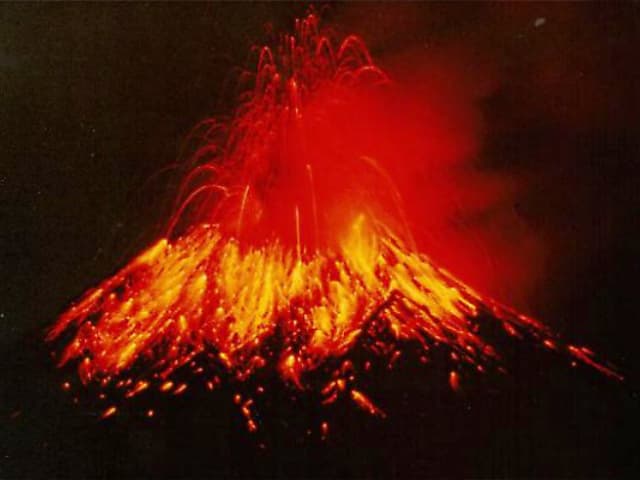
Volcanic Eruption
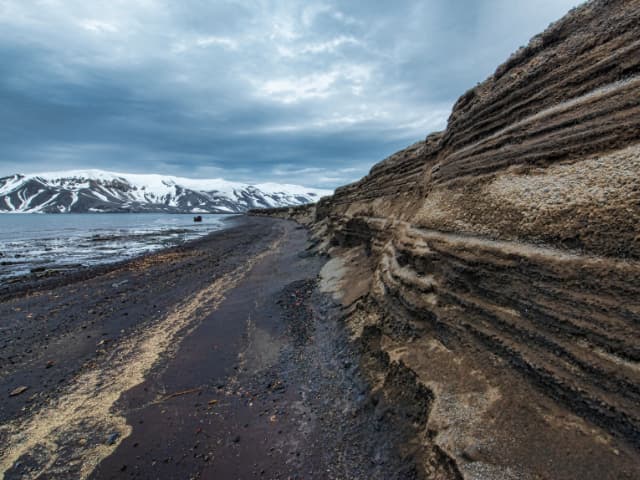
Sedimentary Rockface
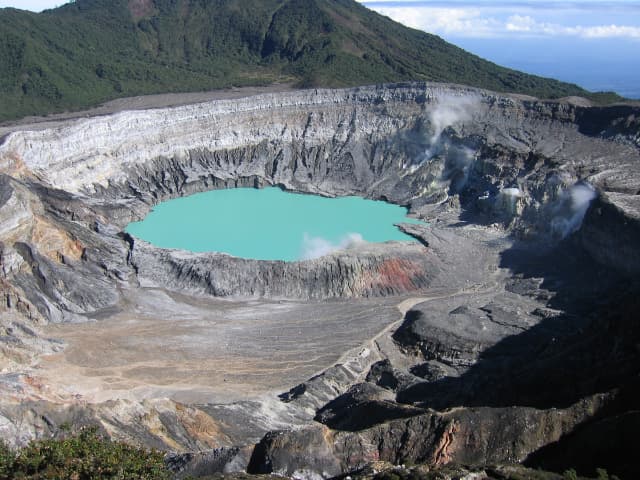
Poas Crater
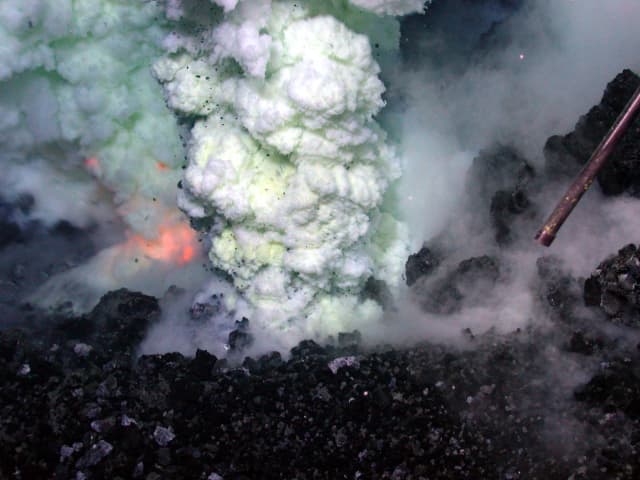
Underwater volcano and vent
In other areas, plates slide past one another along transform faults, producing powerful earthquakes. The San Andreas Fault in California is a well‑known example. These different boundary types explain why the Ring of Fire is not just volcanic, but also one of the world’s most seismically active regions.
Close-up of an underwater eruption and vent
Photo credit: Adrian Wapcaplet
Volcanoes of the Ring
The Ring of Fire contains many types of volcanoes, but stratovolcanoes are especially common. These tall, steep‑sided volcanoes are built from alternating layers of lava and ash and are known for explosive eruptions.
Famous examples include:
- Mount Fuji in Japan
- Mount St. Helens in the United States
- Mount Pinatubo in the Philippines
- Krakatoa in Indonesia
- Order List Test
- Another Item
Eruptions from these volcanoes can dramatically reshape landscapes, disrupt global air travel, and even influence Earth’s climate when large volumes of ash and gas reach the atmosphere.
Earthquakes and Tsunamis
Volcanic eruptions may be the most visible expression of the Ring of Fire, but earthquakes are far more frequent. When tectonic plates lock together and suddenly release energy, seismic waves ripple through the Earth’s crust.
Some undersea earthquakes can trigger tsunamis, sending massive waves across entire ocean basins. The 2011 Japan earthquake and tsunami demonstrated how interconnected the Ring of Fire is, causing widespread devastation and prompting renewed attention to early‑warning systems and coastal resilience.
Human History Along the Ring
Human civilizations have long settled along the Ring of Fire, drawn by fertile volcanic soils, access to coastlines, and abundant natural resources. Volcanic regions often support rich agriculture, despite their risks.
The amazingly beautiful but often terrifying Ring of Fire
Photo credits (top to bottom): 1) Adrian Wapcaplet; 2) Adrian Wapcaplet; 3) Adrian Wapcaplet; 4) Adrian Wapcaplet
Throughout history, these same risks have shaped cultures and belief systems. Volcanoes were once seen as gods, spirits, or gateways to the underworld. Even today, communities balance respect for natural forces with scientific monitoring and disaster preparedness.
Monitoring a Restless Planet
Modern technology has transformed how scientists study the Ring of Fire. Seismographs, satellite imagery, GPS measurements, and gas sensors allow researchers to track subtle changes beneath the Earth’s surface.
While eruptions and earthquakes cannot be prevented, early detection saves lives by enabling timely evacuations and infrastructure planning. The Ring of Fire has become one of the most closely monitored regions on the planet, serving as a natural laboratory for understanding Earth’s internal processes.
Why the Ring of Fire Matters
Beyond its dramatic hazards, the Ring of Fire tells a deeper story about planetary motion and balance. It is a reminder that continents are not fixed, oceans are temporary, and the surface of the Earth is constantly being rebuilt.
For educators, scientists, designers, and storytellers alike, the Ring of Fire offers a compelling framework for discussing change, tension, and transformation—forces that operate both beneath our feet and throughout human experience.